There’s a strange idea floating around these days that a man needs to pepper every sentence with profanity to sound authentic. Like if you don’t swear, you must be putting it on. Polite equals fake. Measured equals weak. And if you don’t drop the occasional verbal hand grenade, are you even a bloke?
Let’s be honest — swearing is easy.
It’s verbal duct tape. When we can’t find the right word, we slap a four-letter one over the problem and move on.
But here’s the rub:
- It dulls expression. If everything is “bloody this” and “f—ing that,” nothing carries weight anymore.
- It leaks authority. The man who can stay composed and articulate when frustrated commands more respect than the bloke shouting profanity at an inanimate object.
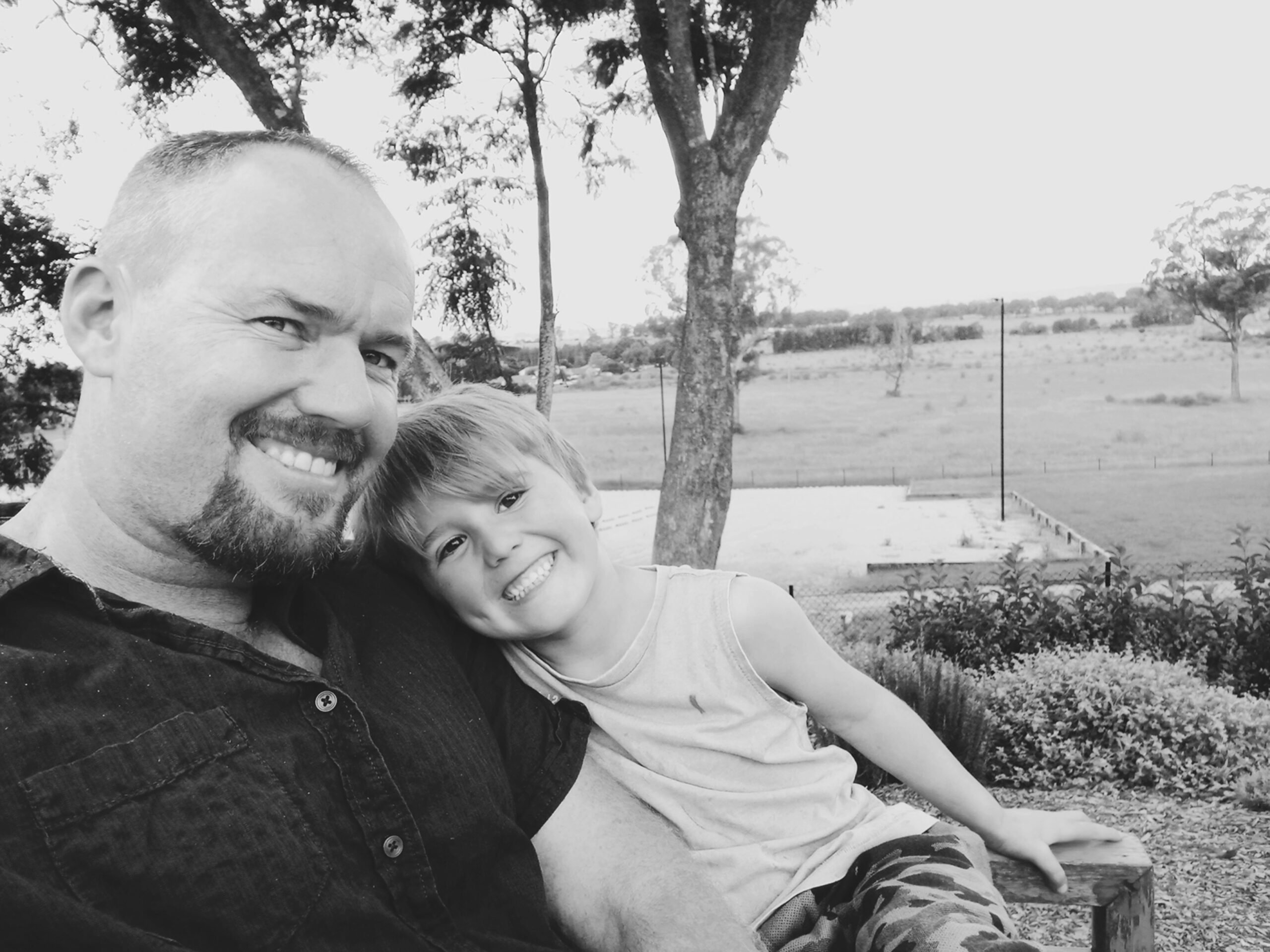
- It trains our kids. Not just in the words — but in how to handle frustration, conflict, and stress.
And no, this isn’t about being prim, proper, or pretending you’ve never sworn in your life. It’s about restraint. Intent. Choosing words rather than being dragged around by them.
It’s a curious thing, because most fathers I know — the ones doing the work, showing up, carrying responsibility like a rucksack that never quite comes off — don’t actually talk that way at home. Not because they’re afraid of slipping up in front of the kids, but because it simply doesn’t feel necessary. They’ve learned that the loudest man in the room is rarely the strongest one.
“Colourful language” gets defended as honesty, as stress relief, as a cultural badge of toughness. But more often than not, it’s just a shortcut. A way of filling space when we haven’t taken the time to find a better word. Swearing can be sharp and expressive in rare moments — like a flint spark when the pressure is real — but when it becomes constant, it stops being emphasis and turns into background noise. Everything sounds the same. Nothing carries weight.
As fathers, we’re not just modelling behaviour — we’re modelling standards. And there’s a difference between “don’t swear in front of the kids” and “this is how a man chooses to speak, full stop.” If we only clean up our language when family’s around, what we’re teaching isn’t discipline, it’s code-switching. The better lesson is consistency: the same man in every room, whether it’s the dinner table, the worksite, or a quiet conversation with another father who’s had a long week.
History’s quietly on our side here. The old traditions — Roman, Greek, Norse — all put stock in speech. Not flowery nonsense, but deliberate words. Men were judged by how they spoke under pressure. The Hávamál warns against thoughtless talk, and Marcus Aurelius — not exactly a man prone to weakness — put it best:
“Be tolerant with others and strict with yourself.”
These weren’t soft men avoiding hard truths; they were men who understood that an undisciplined mouth often points to an undisciplined mind.
Somewhere along the line, we lost the art of conversation. We interrupt. We exaggerate. We reach for the bluntest tool in the verbal toolbox and wonder why real dialogue feels rare. A good conversation, like good craftsmanship, takes restraint. Choosing the right word takes more effort than defaulting to the strongest swear you know — but it also lands harder when it matters.
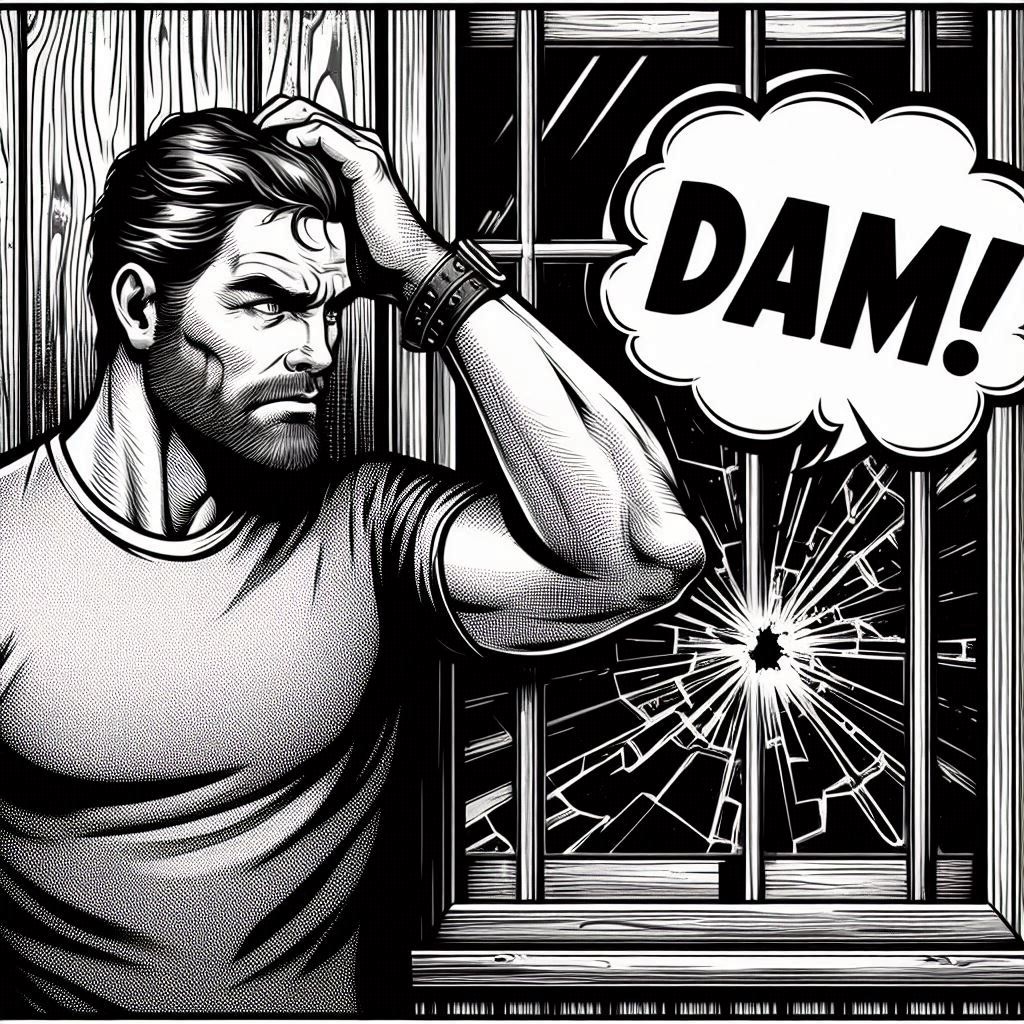
This isn’t about pretending you’ve never sworn in your life. There are moments — rare, genuine ones (like the ikea flat pack you are assembling that is missing essential screws) — where a single word escapes under real strain. But those moments stand out because they’re rare. When every sentence is loaded, nothing feels loaded anymore. Silence, tone, and precision become far more powerful tools.
There’s also something quietly reassuring to our kids — and to other men — when frustration doesn’t immediately turn into verbal chaos. It shows them that pressure can be handled without loss of control. That strength isn’t about venting everything outward, but about keeping your centre when things push back.
In the end, this isn’t a call to be polished or precious. It’s a call to be intentional. To remember that words shape rooms, relationships, and reputations long after they’re spoken. A man who speaks thoughtfully doesn’t need to announce his authority — it’s felt.
Or, as an old proverb puts it:
“He who knows how to speak, knows when to be silent.”
And that, in a noisy world, is a rare and underrated form of strength.
Your mates will adjust. Some might even lift their game. Others will roll their eyes and say you’ve “gone soft.”
Let them.